
Castle, Palace, and Château: What’s the Difference?
Have you ever looked at a beautiful historic building in Europe and wondered whether it was a castle, a palace, or a château?
At first glance, the three may seem quite similar. After all, they are often associated with royalty, aristocratic families, grand architecture, and centuries of history.
However, there are some important differences between them.
A castle was traditionally built for defense, often serving as both a fortified residence and a military stronghold.
A palace, on the other hand, was primarily designed as a grand residence for royalty or powerful rulers, as well as a place for ceremonies and political activities.
A château is a French term with a broader meaning: it can refer to a medieval fortified castle or to an elegant country residence.
The distinction becomes even more interesting when you look at how these buildings evolved over time.
Some began as defensive fortresses and were later transformed into luxurious residences, while others were designed from the beginning to display wealth and power rather than withstand an attack.
So, let’s explore the history, architecture, and purpose of castles, palaces, and châteaux, along with some famous examples from Europe.
What is a Castle?
A castle is a fortified building, traditionally built during the Middle Ages to provide protection, control territory, and serve as a residence for a lord, noble family, or ruler.
Castles became particularly important in medieval Europe, especially between the 9th and 15th centuries.
During this period, political power was often divided among kings, nobles, and local lords, who needed to protect their lands and maintain control over strategic locations.
Unlike an ordinary residence, a castle was designed with defense in mind. Its walls, towers, gates, and other architectural features helped protect the people living inside during conflicts and sieges.
But castles were not just military buildings. They were also centers of administration, local government, and everyday life.
A lord might manage his estates, receive visitors, collect taxes, and hold court within the castle walls.
The Main Architectural Features of a Castle
Although castles developed in different ways across Europe, many shared several defensive features.
- Thick stone walls: Built to protect the inhabitants and make it difficult for attackers to enter.
- Towers: Used for observation, defense, and sometimes as private living spaces.
- Gatehouses: Heavily defended entrances that controlled access to the castle.
- Moats: Water-filled ditches surrounding some castles, making direct attacks more difficult.
- Drawbridges: Movable bridges that could be raised to prevent unwanted visitors from crossing a moat or ditch.
- Battlements: Raised sections along the tops of walls that allowed defenders to observe and protect the castle.
Not every castle had all these features. Some were built on rocky hills, while others were surrounded by water or protected by several layers of walls.
Their design depended on the landscape, the period in which they were built, and the military technology available at the time.
As warfare changed, castle architecture changed too.
The development of gunpowder and artillery made traditional high walls and towers less effective, leading to new forms of fortification.
Famous Castles in Europe
Europe is full of remarkable castles, many of which have survived for centuries.
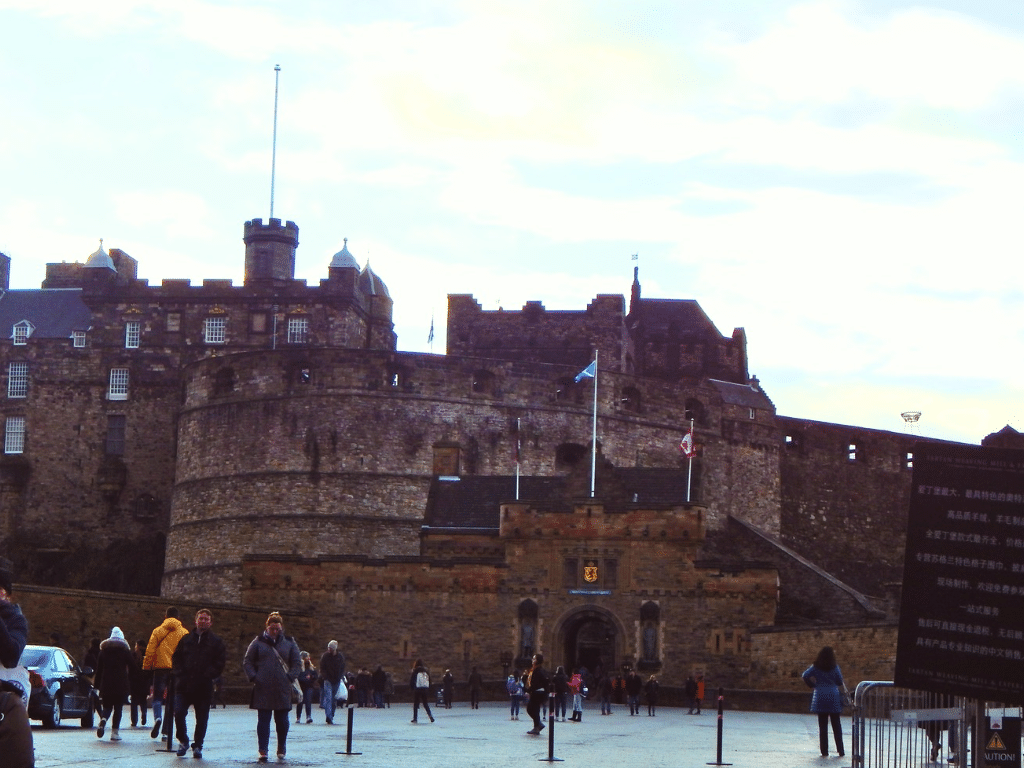
Edinburgh Castle, Scotland
Perched on top of Castle Rock, Edinburgh Castle dominates the Scottish capital’s skyline.
Its strategic position made it an important military stronghold, royal residence, and symbol of Scottish history.
The castle has witnessed numerous conflicts and sieges over the centuries.
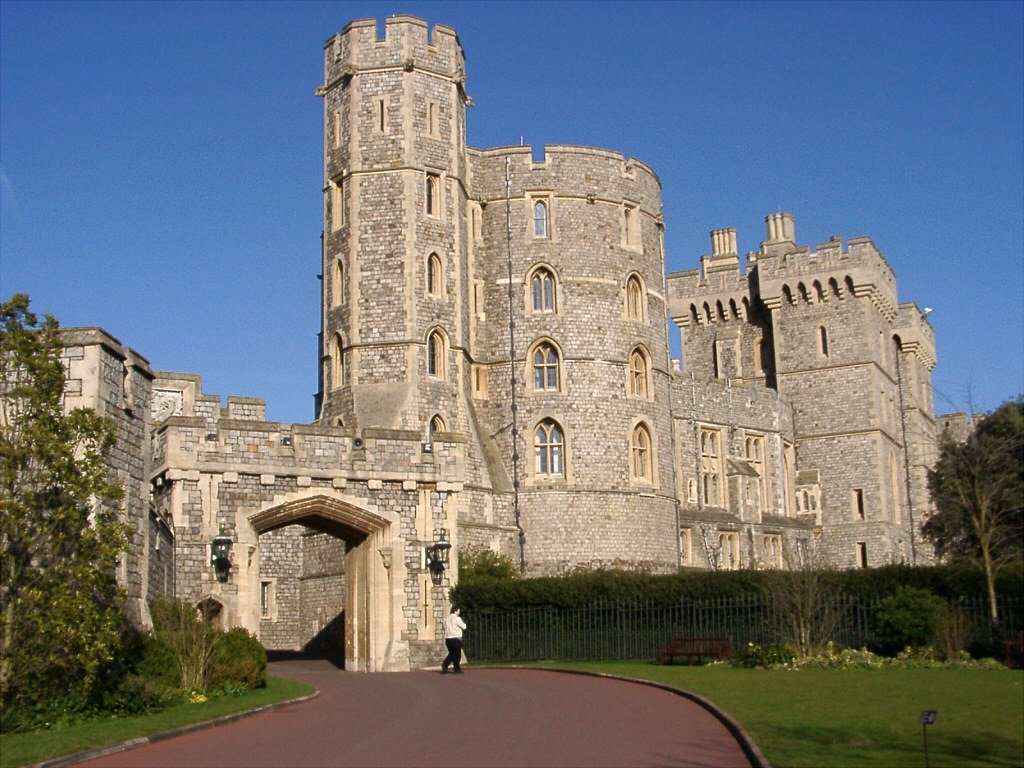
Windsor Castle, England
Windsor Castle was founded by William the Conqueror in the 11th century and gradually developed into one of the most important royal residences in Britain.
Although it has been transformed and expanded many times, its origins are deeply connected to medieval defensive architecture.
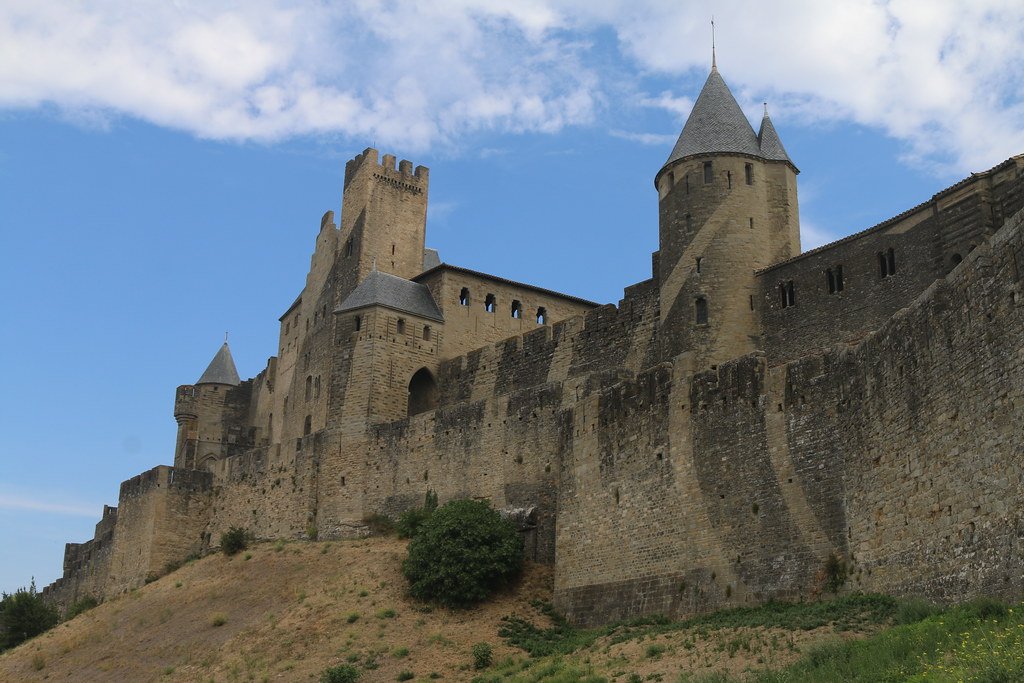
Carcassonne, France
The medieval fortified city of Carcassonne is one of the most impressive examples of defensive architecture in France.
Its double walls, towers, and fortified gates create the kind of medieval landscape many people imagine when they think of a castle.
These examples show that castles were much more than impressive residences.
They were built to protect people, control territory, and demonstrate the authority of those who occupied them.
What is a Palace?
A palace is a large, impressive residence built for a monarch, ruler, or another powerful individual.
Unlike a traditional medieval castle, its main purpose was not military defense but comfort, ceremony, administration, and the display of wealth and authority.
Palaces have existed since ancient times.
Some of the earliest examples were built by rulers of ancient civilizations, including those of Mesopotamia, Egypt, Greece, and Rome.
Over the centuries, palaces became important centers of political and cultural life.
They were places where rulers received ambassadors, hosted celebrations, made decisions, and surrounded themselves with members of the royal court.
Their architecture often reflected the power and ambitions of the people who commissioned them.
Grand staircases, decorated ceilings, enormous halls, gardens, fountains, and elaborate works of art were all used to create an impression of prestige.
Unlike castles, palaces generally did not need the same level of defensive architecture. However, this does not mean that every palace was completely unfortified.
Some were built on the sites of older castles or incorporated defensive features, especially during periods of political instability.
The Main Architectural Features of a Palace
Palaces vary enormously depending on the period and culture, but many share some recognizable characteristics.
- Grand reception rooms: Large spaces designed for ceremonies, audiences, and official events.
- Elaborate interiors: Decorative ceilings, paintings, sculptures, tapestries, and luxurious furniture.
- Formal gardens: Carefully planned gardens, fountains, and landscaped grounds that often extended the palace’s architectural design.
- Private apartments: Separate rooms for the ruler, family members, and important members of the court.
- Administrative spaces: Offices and rooms used for political meetings and the daily management of the state.
Palaces were also designed to impress visitors. Their size, decoration, and location could communicate political power without the need for a single defensive tower.
Famous Palaces in Europe
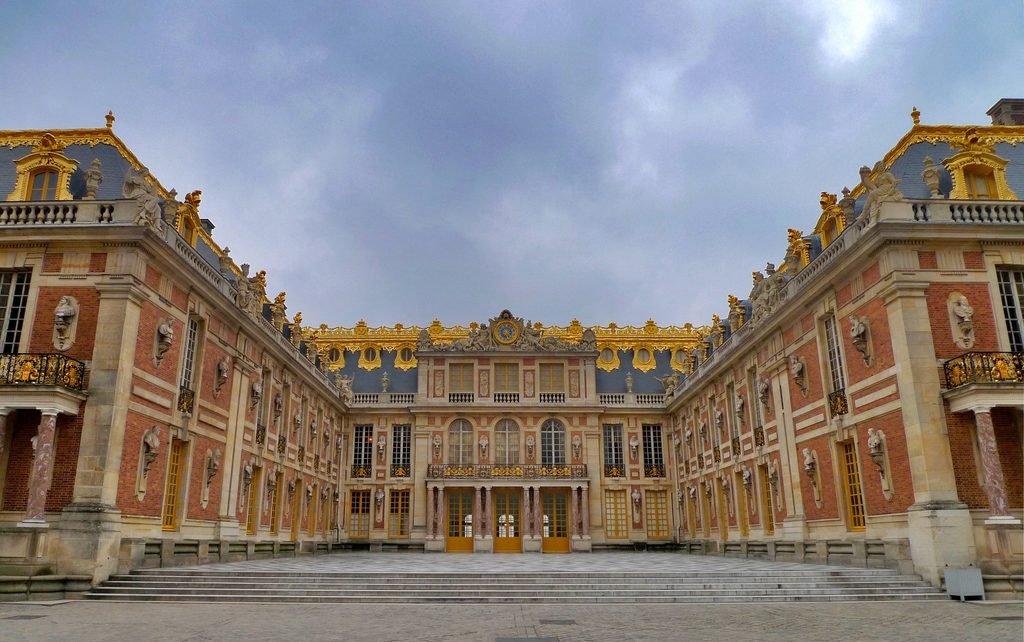
Palace of Versailles, France
Perhaps one of the most famous palaces in the world, the Palace of Versailles became the principal royal residence of Louis XIV in the 17th century.
The palace was designed to reflect the absolute power and prestige of the French monarchy. Its famous Hall of Mirrors, lavish royal apartments, and enormous formal gardens are among the most recognizable examples of European Baroque architecture.
Versailles was not simply a place where the king lived. It was also the center of royal government and court life, where nobles competed for the monarch’s attention and influence.
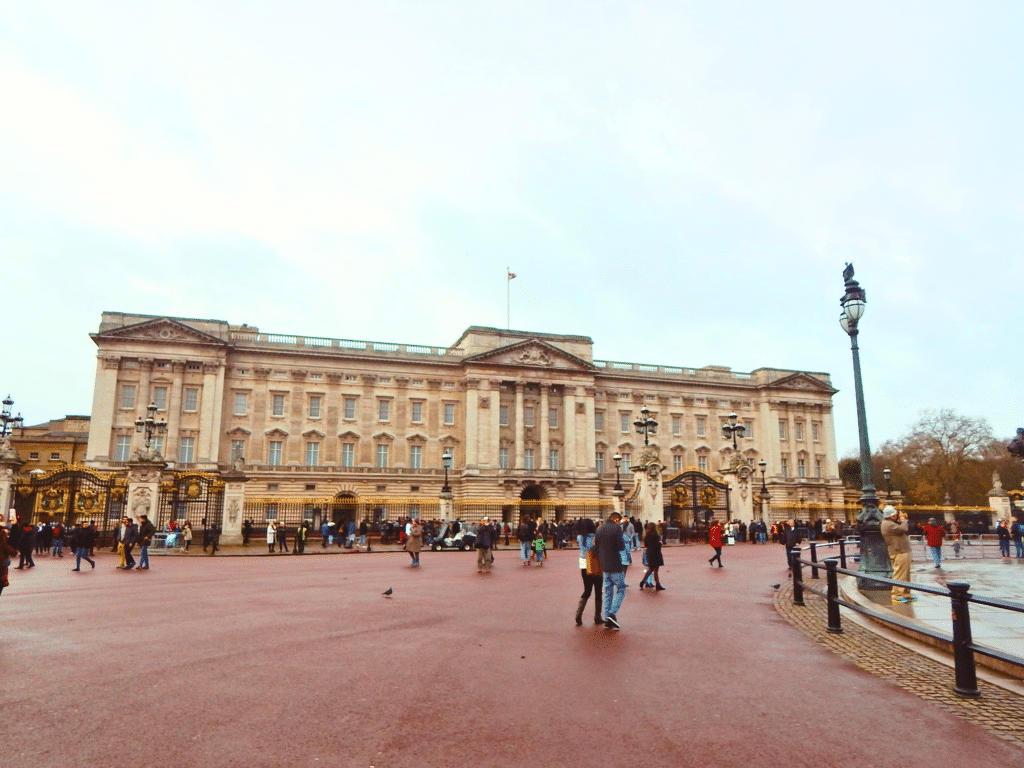
Buckingham Palace, England
Located in London, Buckingham Palace is the official residence of the British monarch in the capital.
Originally built as a private townhouse in the 18th century, it was later expanded and transformed into a royal palace.
Today, it remains one of the most recognizable royal buildings in the world and is closely associated with British state ceremonies and royal traditions.

Royal Palace of Madrid, Spain
The Royal Palace of Madrid is another impressive example of a European palace.
Built in the 18th century on the site of an earlier royal fortress, it became the official residence of the Spanish monarchy.
Its monumental architecture, grand staircases, decorative rooms, and extensive art collections make it one of the most important historic buildings in Spain.
What is a Château?
The word château is French and can be translated as castle, manor house, or country house, depending on the historical context.
This is where things become a little more complicated.
Unlike the English words castle and palace, which usually describe buildings according to their function or historical role, château is a broader French term.
It can refer to a fortified medieval residence, a royal estate, or an elegant country house belonging to an aristocratic family.
The meaning has evolved over time, which is why not every château looks like a medieval castle.
In medieval France, a château could be a fortified residence built to protect a noble family and control the surrounding territory.
Later, particularly during the Renaissance and early modern periods, the term became associated with grand residences designed for comfort, leisure, and social prestige.
Many of these later châteaux were built in the French countryside, often surrounded by gardens, forests, vineyards, and agricultural estates.
Château Fort vs. Château de Plaisance
Two useful French expressions help explain the different meanings of the word.
Château fort
A château fort is a fortified castle. It served defensive and residential purposes, much like the castles found elsewhere in medieval Europe.
These buildings often featured thick walls, towers, fortified gates, and strategic locations.
The Château de Vincennes, near Paris, is a good example of a French royal fortress with an imposing medieval defensive structure.
Château de plaisance
A château de plaisance is a residence built primarily for pleasure, leisure, and representation rather than military defense.
These châteaux became particularly popular among French royalty and aristocratic families.
They were designed to provide comfortable living spaces and impressive settings for entertaining guests.
Their architecture often included symmetrical façades, large windows, decorative interiors, formal gardens, and elegant reception rooms.
This distinction is important because it shows why the word château cannot be understood simply as the French equivalent of the English word castle.
Famous Châteaux in France
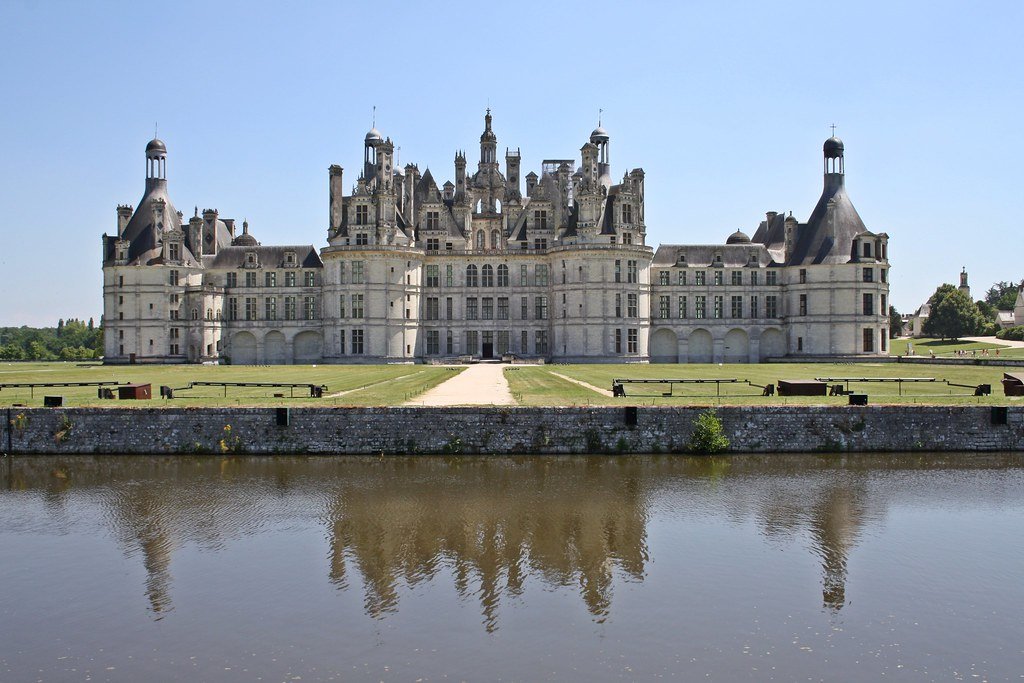
Château de Chambord
Located in the Loire Valley, the Château de Chambord is one of the most recognizable examples of French Renaissance architecture.
Commissioned by King Francis I in the 16th century, it was designed as a royal hunting lodge rather than a traditional military fortress.
Its enormous scale, elaborate roofline, towers, and famous double-helix staircase make it an extraordinary example of Renaissance design.
Although its appearance recalls a medieval castle, its purpose was very different. It was built to express royal power, taste, and prestige.
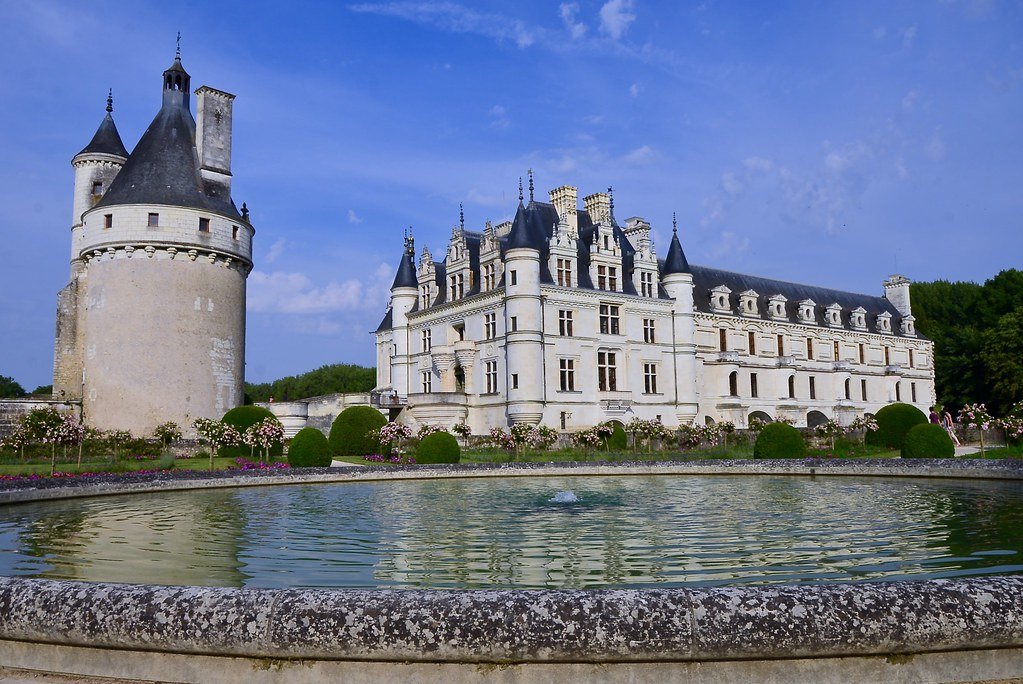
Château de Chenonceau
Often called the Ladies’ Château because of the influential women who shaped its history, the Château de Chenonceau is one of the most beautiful residences in the Loire Valley.
Built across the River Cher, its elegant arches and gardens make it particularly distinctive. Unlike a medieval fortress, Chenonceau was designed primarily as a refined aristocratic residence.
Its history is closely connected to several remarkable women, including Diane de Poitiers and Catherine de’ Medici, who played important roles in its development.
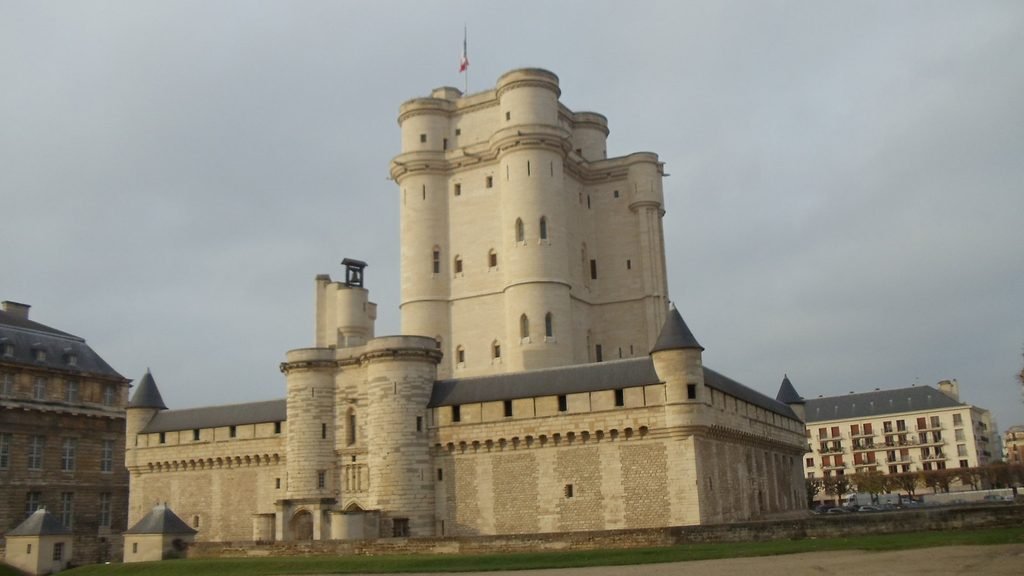
Château de Vincennes
Located just outside central Paris, the Château de Vincennes offers a very different experience.
With its massive fortified walls, towers, and impressive medieval keep, it is a remarkable example of a French château fort.
Originally developed as a royal hunting residence, it gradually became an important fortified royal complex.
It is a particularly useful example for understanding how the word château can describe a genuinely defensive structure.
Castle vs. Palace vs. Château: What Are the Main Differences?
Now that we’ve explored their history and architecture, let’s look at the main differences side by side.
| Feature | Castle | Palace | Château |
|---|---|---|---|
| Main historical purpose | Defense and residence | Royal residence, ceremonies, and government | Fortified residence or aristocratic country house |
| Defensive features | Usually present | Usually limited or absent | May be present or absent |
| Typical architecture | Walls, towers, gates, battlements | Grand halls, decorated rooms, formal gardens | Varies from medieval fortifications to elegant country residences |
| Historical association | Especially medieval Europe | Ancient and modern royal courts | French medieval and later aristocratic history |
| Common location | Strategic sites, hills, borders, towns | Capitals and royal estates | Often rural estates, but also towns and cities |
The simplest way to remember the difference is this:
- A castle was traditionally built to defend and protect.
- A palace was built to house rulers and display their wealth and authority.
- A château is a French term that can describe either a fortified castle or a grand aristocratic residence.
Of course, history is rarely quite that simple. Many buildings changed their purpose over time, and some combine characteristics of more than one category.
Can a Château Be a Castle or a Palace?
Yes! This is one of the most interesting aspects of the comparison.
A château can be a castle when it has a defensive purpose and features associated with medieval fortifications.
The French expression château fort makes this particularly clear.
It can also resemble a palace when it is designed primarily as a luxurious residence for a royal or aristocratic family.
The Château de Chambord is a good example of why these distinctions can overlap.
It has towers and an imposing silhouette that resemble a medieval castle, but it was commissioned as a royal residence and hunting lodge during the Renaissance.
Similarly, some European palaces were built on the sites of older castles, incorporating parts of their original structures or defensive layouts.
In other words, the names we use for historic buildings often reflect their original purpose, cultural context, or historical evolution.
They do not always describe every aspect of the architecture.
Frequently Asked Questions
Is a castle bigger than a palace?
Not necessarily. Both castles and palaces can be enormous, but size is not what defines them. A castle is traditionally associated with defense, while a palace is primarily a grand residence for a ruler or powerful family.
What is the difference between a castle and a palace?
The main difference is their historical purpose. Castles were built as fortified residences, providing protection and helping control territory. Palaces were designed mainly for royal living, ceremonies, administration, and the display of wealth and authority.
Is a château the same as a castle?
Not always. The French word château can refer to a fortified medieval castle, but it can also describe a grand country residence or aristocratic estate. A château fort is specifically a fortified castle.
Are all châteaux in France?
The word château is French, and it is most commonly associated with France. However, the term can also appear in French-speaking regions outside France. The type of building it describes depends on the historical and cultural context.
What is the difference between a château and a palace?
A palace is generally a grand residence associated with royalty or political power. A château is a broader French term that can describe a fortified castle or an aristocratic country residence. Some châteaux served royal purposes, so the categories can overlap.
Why do French castles have different names?
French architectural terminology reflects the country’s history and the different purposes of its historic residences. A château fort was designed for defense, while a château de plaisance was intended mainly for comfort and leisure. Both can be called châteaux, even though they look very different.
Final Thoughts
Although castles, palaces, and châteaux are often grouped together, they represent different traditions of architecture, power, and everyday life.
Castles remind us of medieval conflicts, territorial control, and the need for protection.
Palaces reveal how rulers used architecture, art, and grand ceremonies to display their authority.
Châteaux tell a more varied story, reflecting the evolution of French aristocratic residences from fortified medieval structures to elegant country estates.
The next time you visit a historic building in Europe, take a closer look at its architecture and history.
Those walls, towers, gardens, and grand halls can tell you a lot about the people who built it and the world they lived in.


More On Architecture
This text was originally written and posted in December 2024 and updated in November 2026. New information has been added, and links have been updated so that it could offer a better experience to the reader.


Thank you for the information,I guess they need to build me a palace, now that I know the difference,as the Lord, has no reason for defience, ,we have conquer satin ,many years ago I need a place to heal society